



In a breakthrough that could significantly improve the treatment of industrial pollution, researchers at IIT Guwahati have developed a sustainable biological process that uses naturally occurring bacteria to remove toxic lead from acidic wastewater.
The innovation offers an alternative to conventional chemical treatment methods, which are often expensive, energy-intensive and generate large amounts of hazardous sludge.
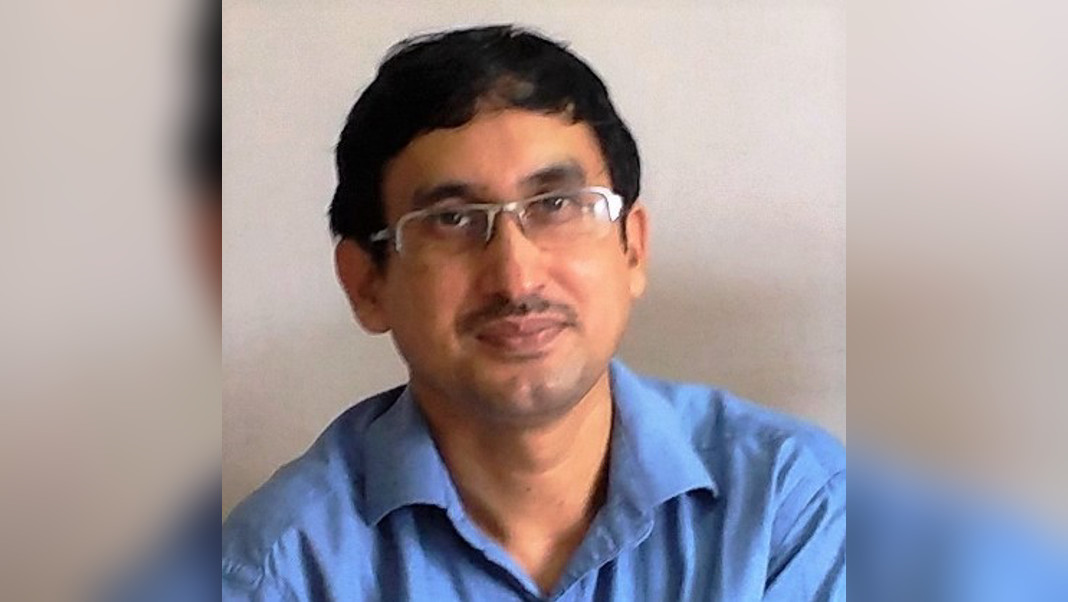
The research team, led by Prof. Pranab Kumar Ghosh of the Department of Civil Engineering, used sulphate-reducing bacteria capable of converting dissolved lead in wastewater into a stable solid mineral that can be easily separated and safely managed.
Lead contamination remains a major environmental and public health concern worldwide, particularly around battery recycling and metal-processing industries. According to the World Health Organisation, exposure to lead can damage the nervous system, affect cognitive development in children and cause long-term health complications.
What makes the IIT Guwahati research particularly significant is that the bacteria were successfully adapted to survive in highly acidic and metal-rich wastewater conditions, enabling them to continue treating contaminated water efficiently.
The process not only removed lead from wastewater but also produced significantly less hazardous sludge than conventional treatment methods. Tests conducted by the researchers found that the resulting bio-sludge released only negligible amounts of lead, remaining well within regulatory safety limits.
The findings, published in the Journal of Environmental Chemical Engineering, could have applications beyond battery recycling plants, including mining, smelting and metallurgical industries where heavy metal contamination remains a persistent challenge.
While the technology is currently at the laboratory stage and requires further validation before commercial deployment, researchers say it represents a promising step towards cleaner, greener and more sustainable wastewater treatment solutions.
Source: https://tinyurl.com/4nwd8j26