


Rajasthan is preparing to enhance long-term water security through the signing of important agreements and the acceleration of several large water infrastructure projects on June 29, 2026. The state government describes the day as a “historic milestone” for Rajasthan, which covers nearly 10 per cent of India’s land area but holds only 1.16 per cent of the country’s surface water resources.
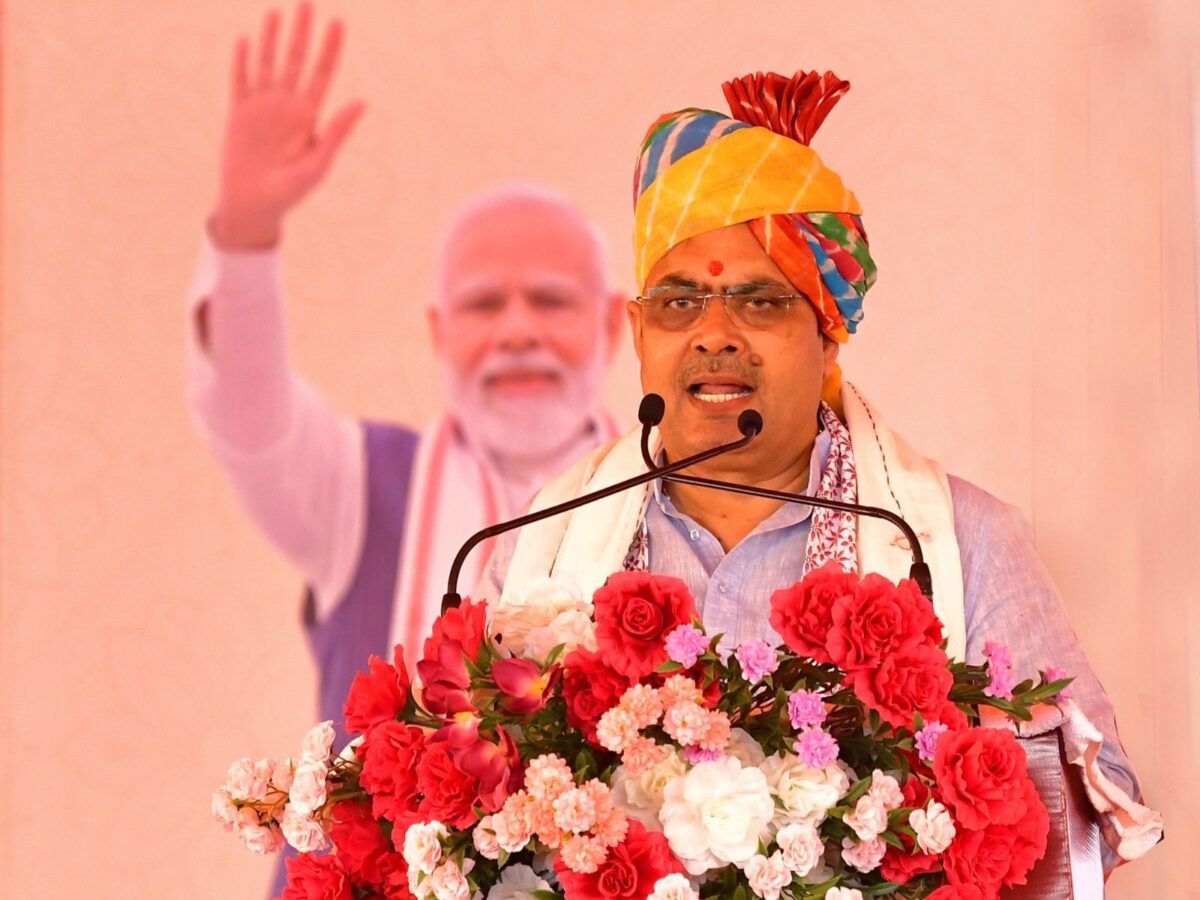
Having long faced severe water scarcity, the state has prioritised water conservation and management as a key policy focus. Under Chief Minister Bhajan Lal Sharma’s leadership, efforts have intensified over the past two and a half years, with increased cooperation between the Centre and Rajasthan government, according to officials.
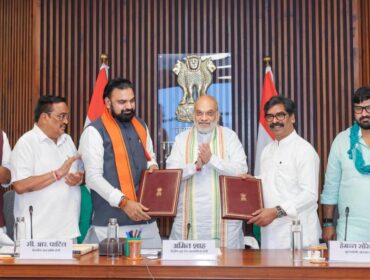
A significant development is the forthcoming signing of a Memorandum of Understanding (MoU) between Rajasthan and Haryana concerning the sharing of Yamuna River water. The agreement, finalised on June 23, is to be signed in the presence of Union Home Minister Amit Shah. It stipulates that Rajasthan will receive its allocated share of water from the Hathnikund Barrage, as per the 1994 agreement. To deliver water to drought-prone areas of Shekhawati—covering Sikar, Jhunjhunu, and Churu districts—a 265-kilometre underground pipeline is planned. The Detailed Project Report for this pipeline was completed by May 2026, and construction is underway. The project is estimated to cost around Rs. 32,000 crore and is being executed on a fast-track basis.
In addition, Rajasthan is progressing with the Renukaji, Lakhwar, and Kishau multipurpose dam projects. On June 16, six states signed an MoU in New Delhi for the Kishau Dam project under the mediation of the Union Home Minister. The Centre is expected to cover 90 per cent of the water-related expenses for the project, while Rajasthan has already approved its funding share. Upon completion, the project is anticipated to provide an additional 201 million cubic metres of water to the state.
The government also reported advances on the Eastern Rajasthan Canal Project (ERCP), now renamed the Ram Jal Setu Link Project. Originating in the 1980s and long delayed, the project gained renewed momentum following the foundation stone laying for works worth Rs. 46,300 crore in Jaipur in December 2024. This initiative aims to supply drinking water to nearly 30 million people across 17 districts in eastern Rajasthan and irrigate around 400,000 hectares of land. Major infrastructure components, including a 2,280-metre-long aqueduct spanning the Chambal River between Kota and Bundi, are under construction, with completion targeted for 2027-28. Officials noted the project is expected to bolster industrial development in regions connected to the Delhi-Mumbai Industrial Corridor.
Beyond large-scale infrastructure, the state government is promoting water conservation at the grassroots through programmes such as the Chief Minister Water Self-Reliance Campaign 2.0, the Vande Ganga Water Conservation Campaign, and the Amrit Sarovar scheme. Each district is developing at least 125 water conservation structures. Concurrently, traditional water bodies including stepwells, johads, and ponds are being restored. The government is also expanding piped drinking water supply under the Jal Jeevan Mission.
Authorities state these combined efforts represent a long-term strategy for “water security” in Rajasthan, prioritising sustainable water resource management over temporary solutions to meet future demands.
Source: https://tinyurl.com/53pfmp55