




Rajasthan is preparing a multi-sector rural development programme covering road connectivity, irrigation, agriculture, digital access, employment and community infrastructure. Around 3,219 km of rural roads are planned under the fourth phase of the Pradhan Mantri Gram Sadak Yojana, with 1,500 km targeted for completion during 2026- 27. The state also plans 18,000 farm ponds and 8,000 diggis to strengthen water availability for agriculture, alongside subsidies for farm machinery and crop-protection fencing. Atal Knowledge Centres will be established in phases at every gram panchayat headquarters, expanding access to libraries, e-learning, career guidance and employment-oriented training.
Rajasthan is preparing a large rural infrastructure and development programme that combines road connectivity with irrigation, agricultural support, digital access, employment and village-level community facilities. At the centre of the infrastructure push is a plan to construct around 3,219 km of rural roads under the fourth phase of the Pradhan Mantri Gram Sadak Yojana. Of this, about 1,500 km is targeted for completion during 2026-27, while the remaining stretches are expected to be completed in the following year. The programme is intended to improve connectivity between rural settlements and essential public facilities.
The state is also continuing work under the Atal Pragati Path scheme, under which cement concrete roads are being developed in rural areas. The government has directed officials to prioritise road links that improve access to schools, hospitals and other public institutions, indicating a focus on connecting villages to essential services rather than simply expanding road length. The broader road programme comes alongside efforts to improve rural infrastructure quality. Under the Atal Pragati Path scheme, 764 works worth around Rs. 1,681 crore have been sanctioned, with 309 projects already completed. The state’s economic planning has also identified cement concrete roads as a means of bringing road infrastructure in larger villages closer to urban standards.
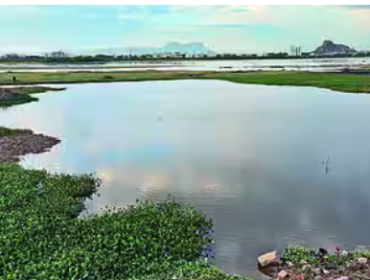
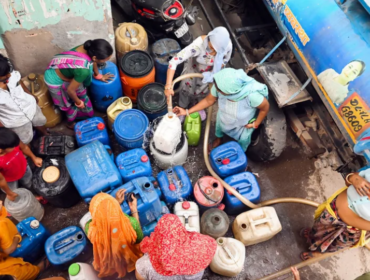
Water security is another major component of the proposed rural development programme. Rajasthan plans to construct 18,000 farm ponds and 8,000 diggis to increase water storage and improve irrigation availability at the farm level. The measures are particularly relevant for agricultural areas where water availability remains a major constraint on farm productivity.
The government also plans to provide subsidies for 50,000 agricultural machinery units during the current financial year. In addition, subsidies are planned for 2 crore metres of crop-protection fencing to help farmers reduce damage caused by animals. These measures are intended to support farm operations while strengthening the resilience of rural livelihoods. Digital and educational infrastructure is being added to the programme through Atal Knowledge Centres. The centres will be established in phases at every gram panchayat headquarters and are expected to include libraries and e-libraries. They will provide resources for competitive examination preparation, career guidance, employment-oriented training and information about government services.
The initiative is aimed at bringing learning and employment-related resources closer to rural communities, particularly young people who otherwise may have to travel to larger towns for access to study material, career information and training opportunities. Rajasthan is also expanding village-level community infrastructure. Thousands of sports grounds have already been developed, with additional facilities under construction. The government is further developing Amrit Sanjeevani Parks, model ponds and Amrit Sarovars, along with Amrit Poshan Vatika gardens and rural markets intended to support community facilities and local economic activity.
Employment is being incorporated into the development strategy as well. Around 7.22 lakh workers are currently engaged under the Viksit Bharat-G RAM G scheme, while more than 215 lakh person-days have reportedly been generated over the past two months. Women account for more than 72 per cent of the workforce under the current employment programme.
The scale of the proposed works reflects an effort to link physical infrastructure with rural livelihoods and access to services. By combining roads, water assets, agricultural support, employment, sports facilities and knowledge centres, Rajasthan is seeking to address several infrastructure gaps at the village level while improving connectivity between rural communities and essential public institutions. Implementation and timely completion will remain critical as the programme moves forward, particularly given the geographic spread of Rajasthan and the scale of works planned across its rural areas.
Source: https://tinyurl.com/2dkad2zd