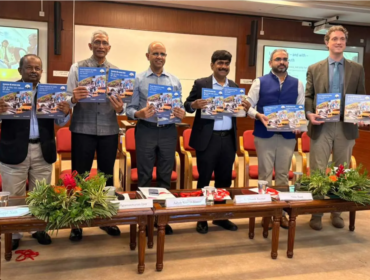




A new report by the United Nations University Institute for Water, Environment and Health (UNU-INWEH) presents a comprehensive analysis of the fundamental contradictions at the heart of global sustainability transitions, with a particular focus on water.
The report finds that rising demand for minerals used in electric vehicles, renewable energy and digital infrastructure is driving significant water use, pollution and health risks, with impacts falling disproportionately on vulnerable communities. In 2024, global lithium production consumed an estimated 456 billion litres of water, equivalent to the annual domestic needs of 62 million people in sub-Saharan Africa. Around 16 per cent of critical mineral extraction occurs in areas already facing high water stress.
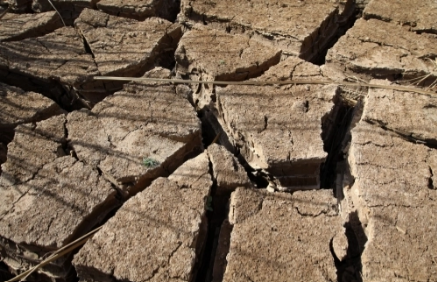
Evidence from major mining regions shows declining water tables, contamination of drinking water and pressures on agriculture and livelihoods. The report warns that, without stronger governance, the energy transition risks replicating patterns of inequality seen in fossil fuel extraction.
It calls for binding international standards, stricter pollution and wastewater controls, and greater transparency to ensure that water resources and affected communities are protected.
Source: https://tinyurl.com/mwybhrca