



The move aims to prepare the city for water stress during summers, meet growing demand and reduce dependence on Cauvery water.
The Bangalore Water Supply and Sewerage Board (BWSSB) is set to nearly double its sewage treatment capacity over the next three years as Bengaluru’s water demand rises with rapid population growth and the expansion of data centres.
The move aims to prepare the city for water stress during summers, meet growing demand and reduce dependence on Cauvery water. “We want to promote the use of treated water as much as possible. That is the way ahead. We want industries, the construction sector and every other sector to use treated water wherever possible. It is not just about harsh summers; this should become a general practice,” said Manjula N, Chairperson, BWSSB.
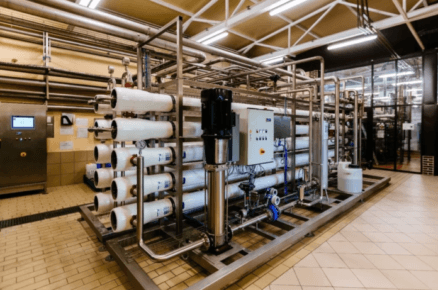
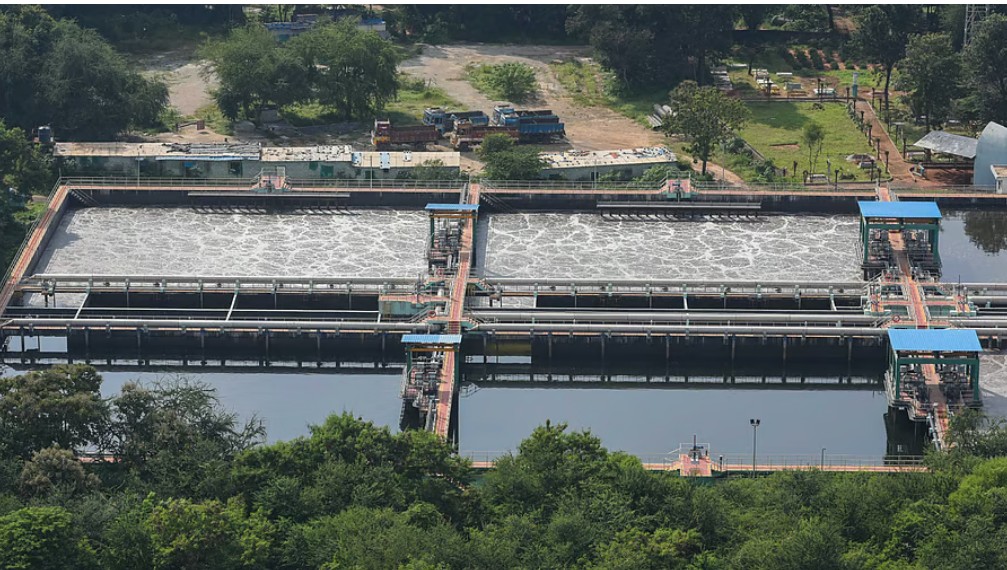
At present, the BWSSB operates 34 sewage treatment plants (STPs) with a combined capacity of 1,348 MLD. It has also commissioned 45 new STPs with a total capacity of 1,163 MLD, all expected to become operational by September 2029. Once completed, the BWSSB’s total sewage treatment capacity will increase to 2,511 MLD.
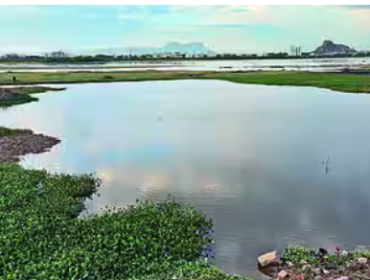
Officials said the additional treated water will primarily be supplied for industrial use, helping reduce reliance on Cauvery water. It will also be used to replenish lakes, improving groundwater levels.
“Primarily, treated water can be used for various industrial purposes, bringing down the dependency on Cauvery water. We are also filling lakes with treated water, which helps improve groundwater levels. Hence, increasing the capacity is crucial,” a senior BWSSB official said. The expansion also comes as Bengaluru is expected to witness a sharp rise in data centres, which will significantly increase water demand. Higher treated water capacity will help the BWSSB meet the growing requirements of the IT sector without putting additional pressure on potable water supplies.
However, the water board still has a long way to go in improving utilisation. Of the 1,348 MLD currently treated, only about 820 MLD is being reused, with a majority supplied to replenish lakes in Kolar and adjoining areas. “Over the years, the uptake of treated water has increased significantly. We are also laying a pipeline to supply treated water to the Peenya industrial area. We are confident utilisation will increase further in the coming days,” another senior BWSSB official said. Bengaluru is also home to the world’s largest network of decentralised STPs. However, only about 50% of the treated water produced by these plants is currently being utilised.
Source: https://tinyurl.com/pj5h46k7