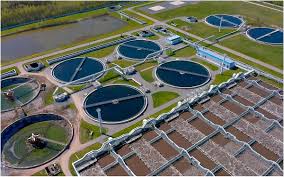



The Delhi government is closely tracking 232 priority infrastructure projects to speed up execution and improve service delivery across the city. Nearly 150 projects are being handled by the Delhi Jal Board, focusing on sewage treatment expansion, major sewer line work and Yamuna rejuvenation efforts.
Other departments including NDMC, PWD and MCD are also part of the review process. After delays over the past three years due to funding and approvals, projects have gained momentum following fund releases from mid-last year and stricter monitoring.
The Delhi government has intensified monitoring of 232 infrastructure projects identified as priority works to ensure faster execution and timely completion. Officials have been instructed to upload complete details of projects costing above INR 5 crore on the Delhi Project Monitoring Group (PMG) portal and provide regular progress updates.
Out of the total projects, nearly 150 are being implemented by the Delhi Jal Board (DJB). These works largely focus on strengthening the city’s water and wastewater systems.
Key components include increasing sewage treatment capacity, upgrading and constructing sewage treatment plants, laying trunk sewer lines, improving sewer connectivity in unserved areas, and supporting efforts linked to the rejuvenation of the Yamuna river. The projects are aimed at reducing untreated discharge and improving overall sanitation infrastructure in the capital. Apart from DJB, multiple agencies are involved in the monitored portfolio. These include the New Delhi Municipal Council (NDMC), Public Works Department (PWD), Irrigation and Flood Control Department, Municipal Corporation of Delhi (MCD), Delhi Urban Shelter Improvement Board (DUSIB), trade and taxes department, excise department, forest and wildlife department, and the Delhi Pollution Control Committee. Each department has been asked to adhere strictly to approved timelines.
A recent review meeting chaired by the Chief Secretary assessed the status of these projects in detail. Departments presented updates covering administrative approvals, financial sanctions, tendering stages, award of work, physical progress and expected completion schedules. Officials acknowledged that many projects had slowed down over the last three years due to funding constraints, pending clearances and procedural delays. Following the release of funds after mid-last year, implementation has improved and several stalled works have resumed. The priority list also includes urban development and civic improvement projects. Among them is NDMC’s heritage conservation and redevelopment of the Gole Market building into a Veerangana Museum.
Infrastructure upgrades such as supply and laying of low-tension cables in Lodhi Colony and installation of high-tension panels at BKS Marg are also under monitoring. In addition, construction of around 160 Type-III residential flats with basement parking and community facilities forms part of the reviewed projects. Senior officials have directed all executing agencies to maintain quality standards while ensuring that project timelines are not extended unnecessarily. Regular reporting through the monitoring system is expected to bring greater accountability and reduce delays in public works execution.
Source: https://tinyurl.com/4suyb4wn