


The United States Environmental Protection Agency (EPA) is launching a new scientific study designed to identify a much wider range of drinking water pollutants, including pharmaceuticals, PFAS, and potentially thousands of other chemicals that conventional testing can miss.
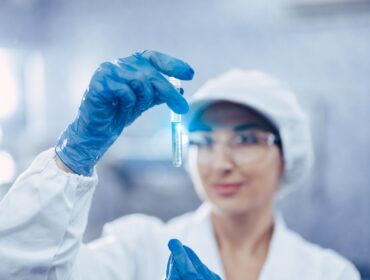
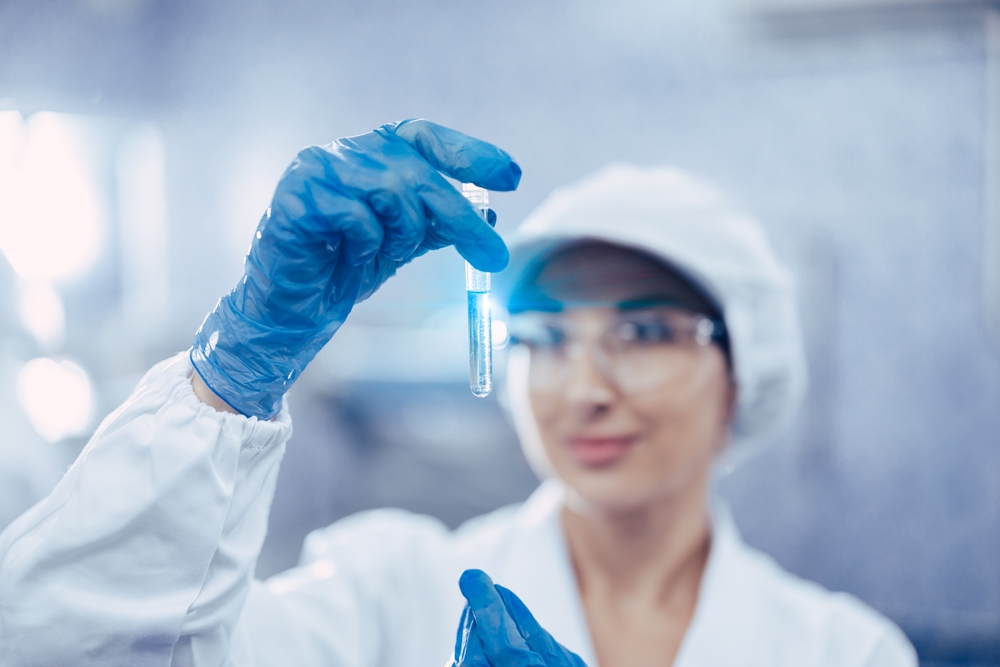
EPA scientists will use a technique known as Non-Targeted Analysis (NTA), which allows researchers to scan drinking water samples for known and previously unidentified substances rather than testing only for a predetermined list of chemicals.
The results are expected to give the agency a broader picture of what may be present in drinking water and help determine which contaminants warrant further research, monitoring or regulatory action under the Safe Drinking Water Act (SDWA).
EPA Administrator Lee Zeldin believes ther study will help alleviate drinking water concerns of US citizens: “We have heard loud and clear that Americans are concerned about potential unknown pollutants lurking in their drinking water.
“EPA is committed to getting to the bottom of this, so that Americans can feel confident about the safety of their drinking water.
“EPA’s state-of-the-art study will shed light on this issue and complement the actions we are already taking under the Safe Drinking Water Act.
“What we learn will provide clarity and peace of mind while guiding the agency’s continued efforts to Make America Healthy Again.”
A broader search for drinking water contaminants
Traditional water-quality testing generally focuses on specific chemicals that scientists already know to look for. While this approach is useful for monitoring regulated substances, it can miss less familiar compounds.
NTA takes a different approach. Instead of starting with a fixed list, researchers analyse the chemical signals within a sample and compare them against extensive databases and other scientific information.
This can reveal a much broader spectrum of substances, including contaminants that were not originally suspected to be present.
The EPA says its study will examine more than 1,000 potential contaminants, including pharmaceuticals and PFAS.
That wider lens could be particularly important as new chemicals enter the environment through consumer products, industrial activity, agriculture and the disposal or use of medicines.
Finding what conventional testing misses
The study is intended to complement, rather than replace, the EPA’s existing monitoring and regulatory programmes.
One challenge facing drinking water regulators is deciding which unregulated chemicals deserve closer attention. Thousands of substances can enter water supplies, but resources for testing, research, and regulation are limited.
By generating a larger body of evidence about drinking water pollutants, NTA could help the EPA identify emerging priorities and direct future scientific work towards the substances of greatest concern.
The technique can also provide information about compounds that would otherwise fall outside established monitoring programmes, giving researchers a potentially more complete picture of drinking water quality.
New priorities under Safe Drinking Water Act
The research comes alongside several other EPA initiatives focused on contaminants that are not currently subject to federal drinking water standards.
Earlier this year, the agency released its draft Sixth Contaminant Candidate List (CCL 6), which identifies contaminants requiring further research, data collection, and consideration for future regulation.
For the first time, the draft list includes microplastics and pharmaceuticals as priority contaminant groups. The move reflects growing scientific and public interest in substances that can reach water supplies but are not covered by existing federal standards.
In June, the EPA also proposed its Sixth Unregulated Contaminant Monitoring Rule (UCMR 6). If finalised, the programme would require monitoring for 30 currently unregulated contaminants using established analytical methods.
The next step for safer drinking water
The new EPA research is intended to go beyond what those programmes can capture.
While UCMR 6 focuses on a defined group of contaminants and the CCL helps establish future research priorities, NTA can search much more broadly.
The approach could therefore become an important research tool for identifying previously overlooked drinking water pollutants and understanding which substances merit closer scrutiny.
For consumers, the significance will ultimately depend on what the EPA finds and how those findings influence future monitoring and regulation.
The immediate goal, however, is clear: expand the scientific evidence base so that potential drinking water contaminants can be identified before decisions are made about whether they require further action.
Source: https://tinyurl.com/y4avt56m