


Jordan’s water crisis is severe, but so is its ingenuity. The country is already testing the kinds of circular water and solar-powered systems that could shape the region’s next wave of water security.
Why Jordan Matters
Jordan is one of the most water-scarce countries in the world, with renewable water resources far below the global scarcity threshold. That pressure has pushed policymakers, utilities, and development partners to treat the country as a practical test bed for solutions that save water, recover energy, and stretch every drop further.
This matters beyond Jordan. Many countries in the Middle East and North Africa face the same mix of drought, rising demand, and stressed groundwater. What works in Jordan can offer a blueprint for other water-scarce systems.
Solar Power Meets Water Use
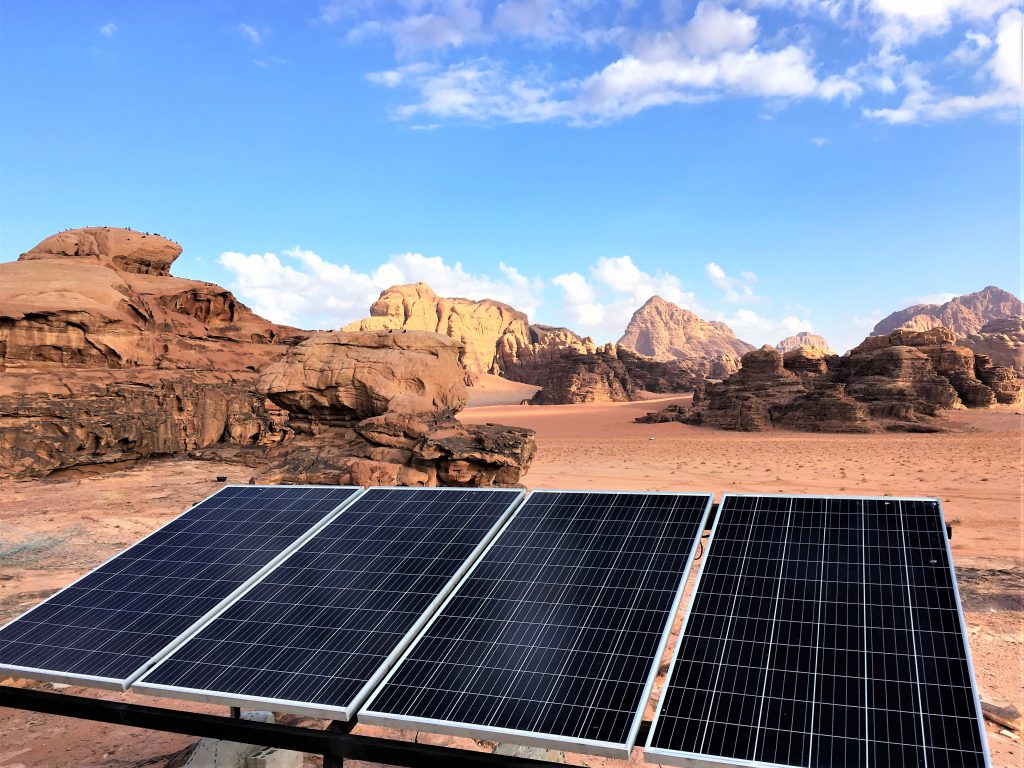
Solar energy is becoming a central part of Jordan’s water strategy. FAO and the Jordan Valley Authority are testing floating solar panels at King Talal Dam, where early results suggest better energy performance and lower evaporation losses. In another FAO-supported effort, solar-powered pumps and drip irrigation kits have helped farmers lift irrigation water more efficiently.
These projects matter because pumping water is expensive in both money and energy. In a country with limited land and high energy costs, solar pumping can reduce operating pressure while improving service reliability.
Reuse As A Resource
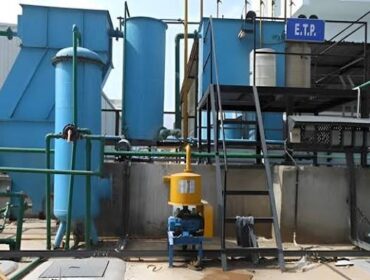
Jordan has also moved ahead on wastewater reuse. The country already treats large volumes of wastewater and channels a significant share into agriculture, easing pressure on freshwater sources. At As-Samra, one of the country’s flagship plants, treated wastewater supports irrigation, while biogas and hydropower cover much of the plant’s own energy needs.
That circular model is important for two reasons. First, it turns a waste stream into a usable resource. Second, it reduces the need to divert fresh groundwater to farms, leaving more water for households and essential uses.
Groundwater Needs Better Rules
Innovation alone will not solve Jordan’s water crisis. Groundwater governance remains a major challenge, especially where cheap or unregulated pumping can accelerate depletion. Solar-powered pumping is part of the answer, but without clear controls it can also increase extraction pressure.
That is why smarter governance matters as much as hardware. Metering, licensing, enforcement, and better data are needed to keep solar pumping from turning into a deeper groundwater problem. Jordan’s experience shows that the energy transition and water governance must move together, not separately.
A Regional Test Bed
Jordan’s greatest strength is not a single technology. It is the way different solutions are being linked together: solar pumping, wastewater reuse, floating solar, sludge recovery, and groundwater reform. The country is not just coping with scarcity. It is building a toolkit that other arid states can study, adapt, and scale.
If the next decade rewards systems that are efficient, circular, and resilient, Jordan may become one of the region’s most important water laboratories.
Source: https://tinyurl.com/3fjwa9wu