


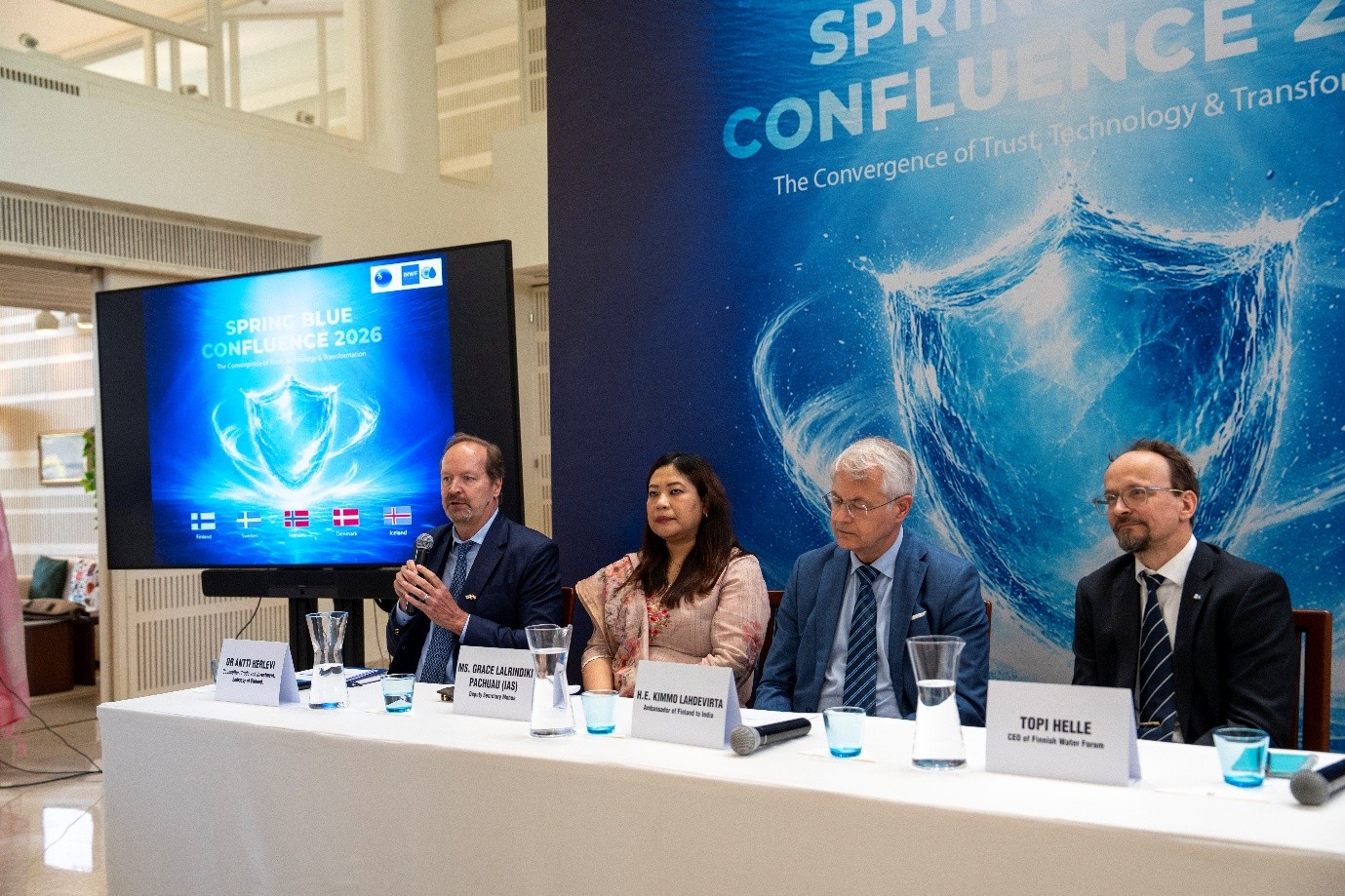
New Delhi, 16 April 2026: A high-level dialogue on circular water management brought together policymakers, urban leaders, international development experts, Nordic industry representatives, and civil society organisations at the Embassy of Finland. The event, Spring Blue Confluence 2026, focused on the Nordic Integrated Water Systems Approach to wastewater management, examining how the Nordic model of treating wastewater as a source of wealth rather than waste can be adapted for India’s rapidly urbanising cities. It was convened under the aegis of the Indo Nordic Water Forum (INWF).
Background and Context
Across Finland, Sweden, Denmark, Norway, and Iceland, water management has evolved from a basic public service into a cornerstone of circular economy thinking. The Nordic model treats wastewater not as waste but as a source of energy, nutrients, and reusable water. Many Nordic utilities are today energy-neutral or energy-positive, recovering biogas, phosphorus, nitrogen, and reclaimed water at scale. This event sought to explore how that systemic approach, enabled by integrated policy, strong municipal governance, advanced technology, and multi-stakeholder collaboration, can be adapted for rapidly urbanising Indian cities.
Inaugural Session
The event was opened with a Welcome Address by H.E. Kimmo Lähdevirta, Ambassador of Finland to India, who set the tone by reflecting on the untapped potential of wastewater as a resource, and on the strategic importance of the India-Finland partnership in sustainability — noting the establishment of a bilateral sustainability group earlier this year in February. He observed that India is among the countries experiencing the sharpest impacts of climate change, making the need to reduce freshwater extraction and accelerate wastewater reuse both urgent and immediate.
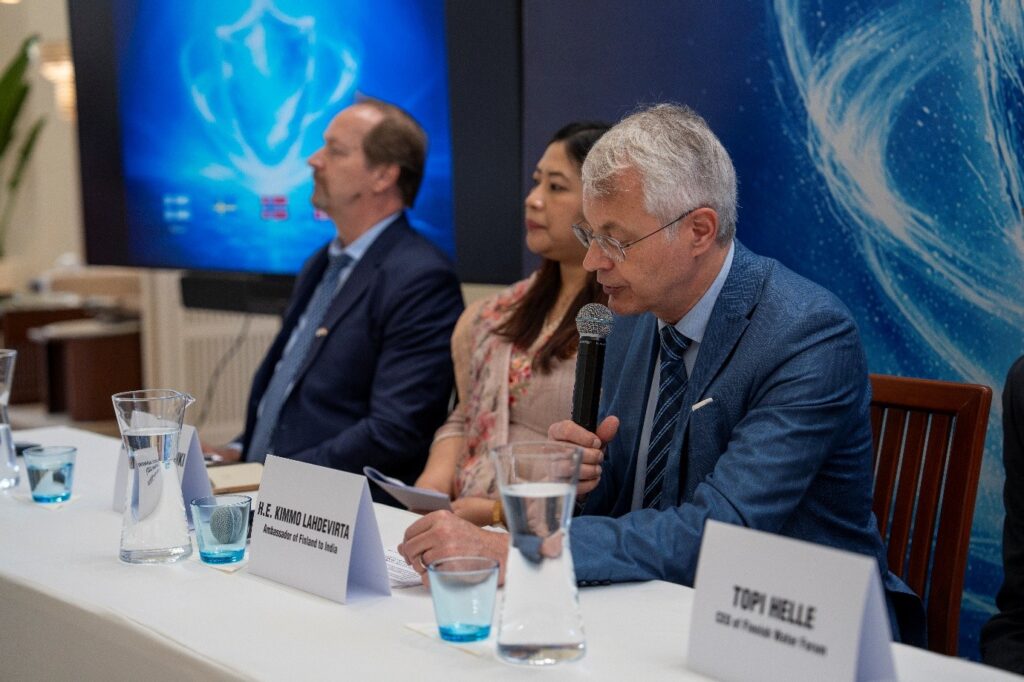
The Ambassador traced the evolution of water management across the Nordic countries, from a basic public service function into a cornerstone of circular economy thinking, characterised by high environmental standards, systemic integration of water, energy, and resource efficiency, advanced technology deployment, and clear alignment with broader climate and sustainability goals. A defining feature of the Nordic model, he noted, is the treatment of wastewater not as waste but as a valuable resource: municipal systems are designed to recover biogas, nutrients, and reusable water, with many utilities now moving toward energy neutrality or energy positivity. While each Nordic country brings its own distinct expertise, together they represent a holistic model for urban water management. He expressed hope that the day’s dialogue would catalyse concrete discussions and collaborations at multiple levels.
Mr. Topi Helle, CEO of Finnish Water Forum delivered the Opening Remarks, and introduced the Finnish Water Forum as a sector association representing Finland’s public and private water sector, with a membership of over 70 organisations including universities, research institutes, and industries working across the water space. He outlined the breadth of Finnish and Nordic water expertise on offer, spanning circular economy solutions, modular water treatment systems, industrial water treatment, and education and capacity building.
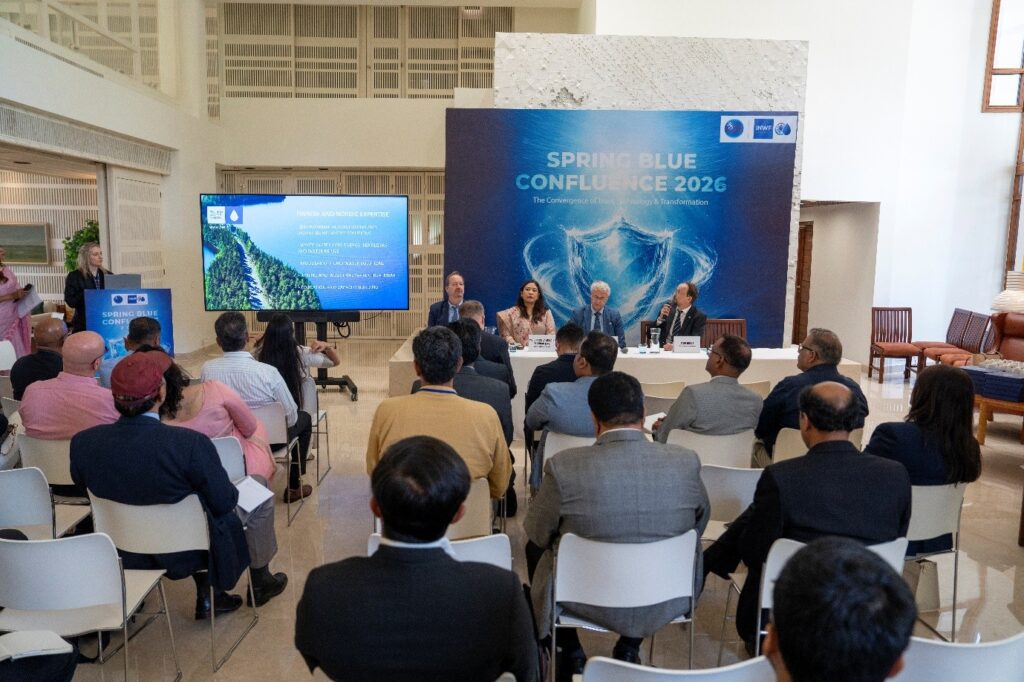
Mr. Helle also spoke about the Indo Nordic Water Forum, of which the Finnish Water Forum is a member, explaining its origins: founded in 2019 from a collaborative project to develop a low-cost water purification system and monitoring tool to address the burden on India’s water infrastructure. The INWF, he noted, is supported by the Nordic embassies and has since grown into an established platform for water sector collaboration between India and the Nordic nations.
Ms. Grace Lalrindiki Pachuau, IAS, Deputy Secretary, Ministry of Housing and Urban Affairs, Government of India, delivered the Keynote Address, speaking about AMRUT, the Atal Mission for Rejuvenation and Urban Transformation, which she oversees at MoHUA. Under AMRUT, India has seen a marked increase in water supply coverage. AMRUT 2.0, launched in 2021, introduced a renewed emphasis on circularity and the reuse of treated water.
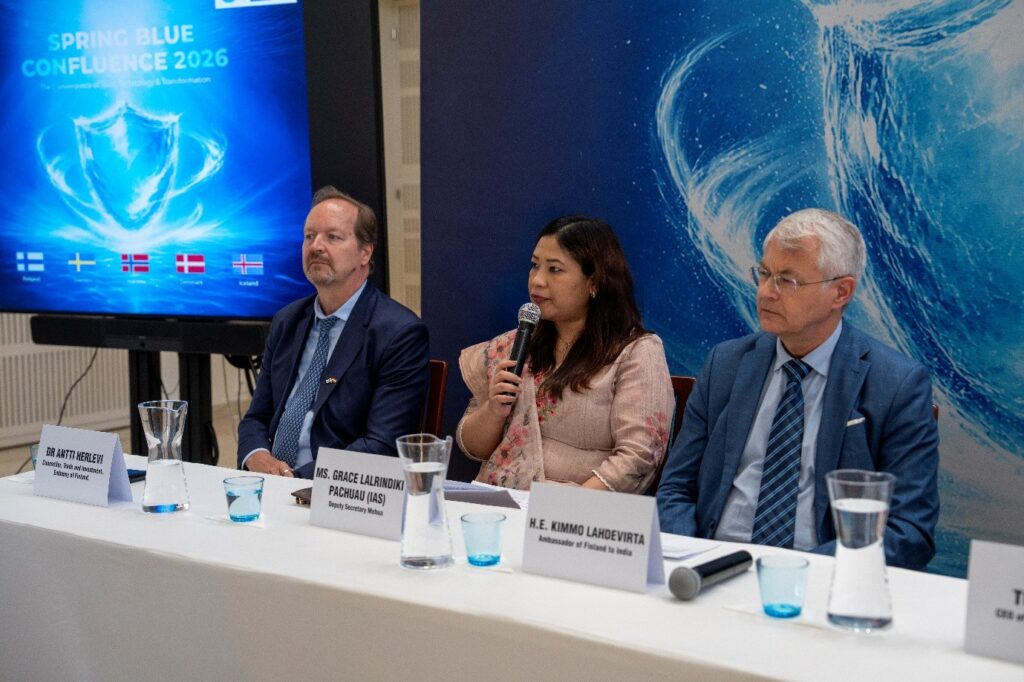
Ms. Pachuau was candid about the challenges that remain, stating that the government is actively working to address them through AMRUT, Swachh Bharat, and Namami Gange. She noted that MoHUA’s technical body, CEEHO, provides guidance through standard operating procedures on sewage, water supply pipelines, and discharge norms.
On a forward-looking note, she spoke about community participation where several cities have engaged self-help groups in water management, and closed by expressing genuine interest in learning from the Nordic experience and best practices being shared at the event.
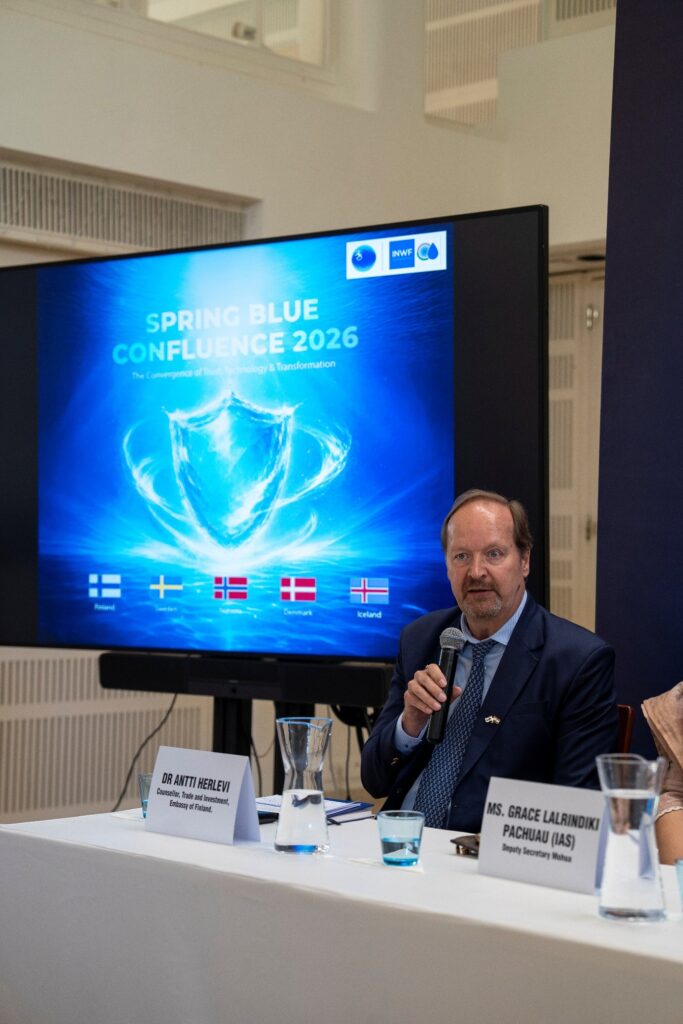
With his Thank You address, Dr. Antti Herlevi, Counsellor, Trade and Investment, Embassy of Finland brought the inaugural session to a close with a warm welcome to all attendees and a word of thanks to the speakers. He noted that Spring Blue Confluence 2026 marks the fourth event of the Indo Nordic Water Forum, the first three having been larger summits, and that this edition was deliberately conceived as a more intimate gathering, to allow for deeper and more direct exchange between Nordic solution providers and Indian stakeholders.
From Wastewater to Value: Nordic Industry Solutions
A dedicated industry showcase featured interventions by nine companies: AFRY, LAMOR, Valmet, RiverRecycle, Danfoss, Grundfos Pumps, Ramboll, Ecoloo, and SansOx (represented by SWAN Environmental, India), each presenting integrated solutions combining advanced technology, digital systems, and innovative service models. The presentations spanned a wide range of solutions and challenges relevant to the Indian context, covering water risk management and the true cost of water, environmental remediation, dissolved oxygen enhancement for water bodies and treatment systems, microplastics and plastic waste accountability, energy efficiency in pumping systems, urban water supply, wastewater recycling and reuse, and waterless sanitation for water-stressed communities. The session was anchored by Mr. Topi Helle, CEO, Finnish Water Forum, who delivered the concluding thank you note to the participating companies.
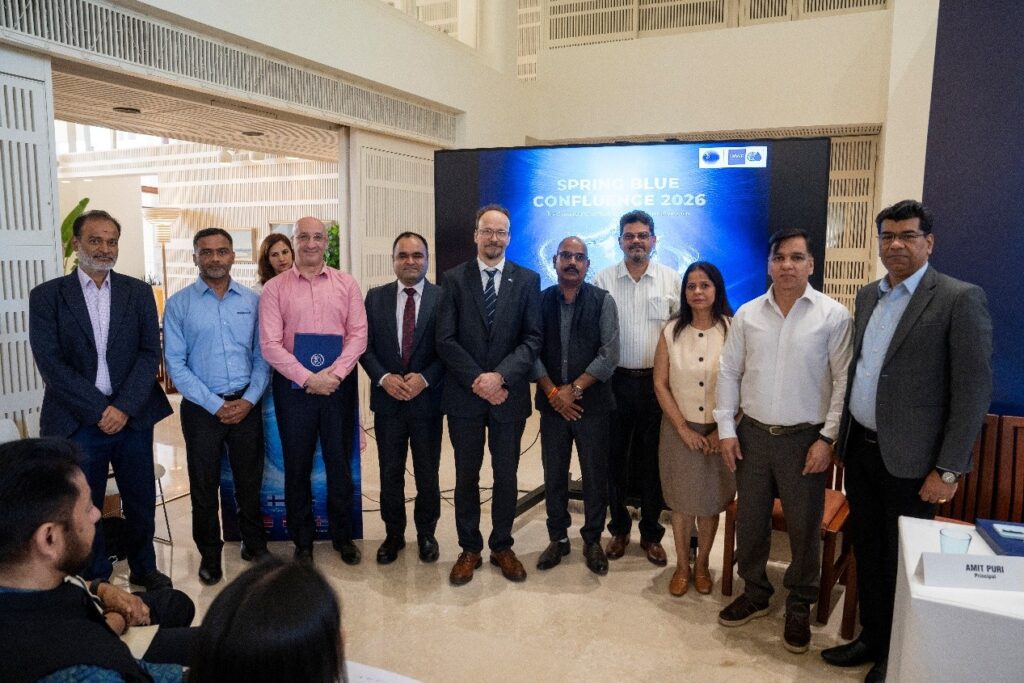
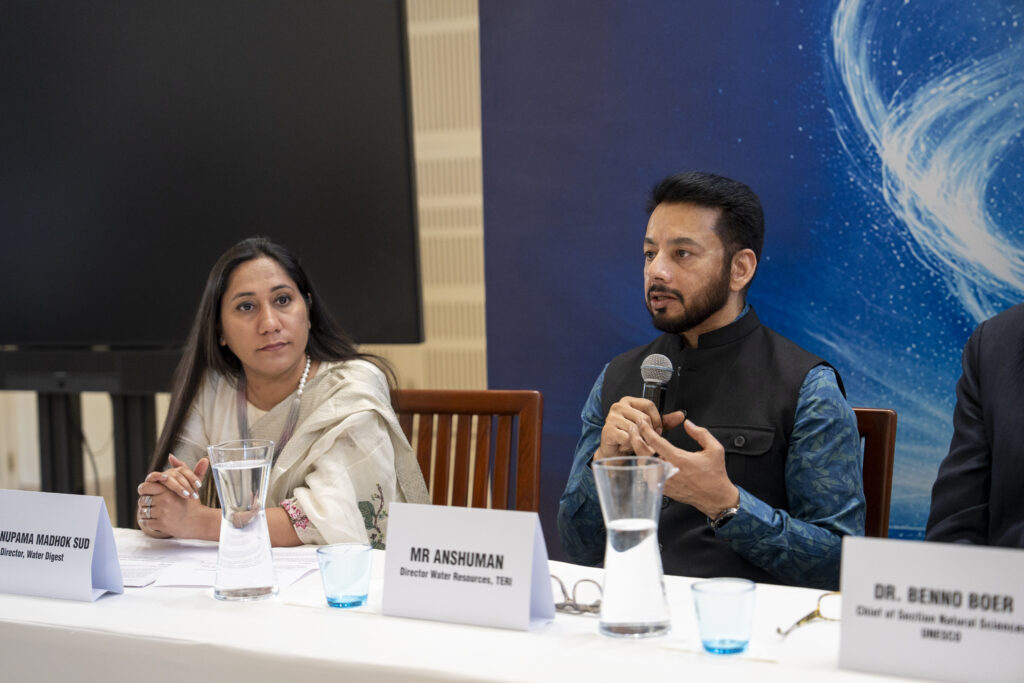
The centrepiece of the afternoon was a fireside chat moderated by Ms. Anupama Madhok Sud, Director, Water Digest. The discussion brought together a distinguished panel to explore the technologies, partnerships, and scalable models relevant to the Indian scenario.
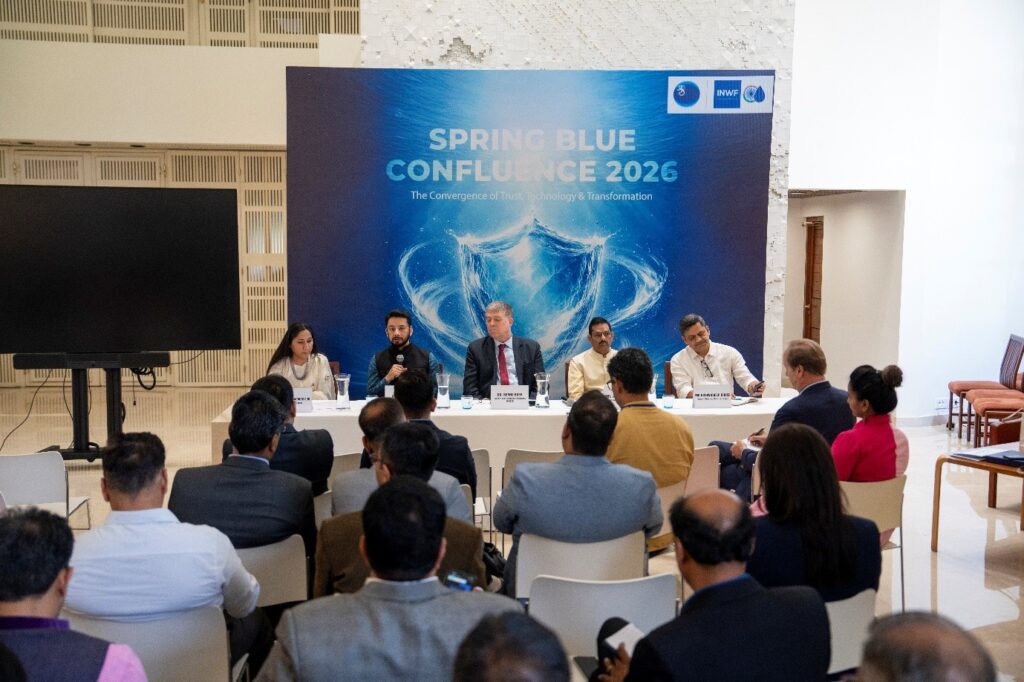
The panel featured:
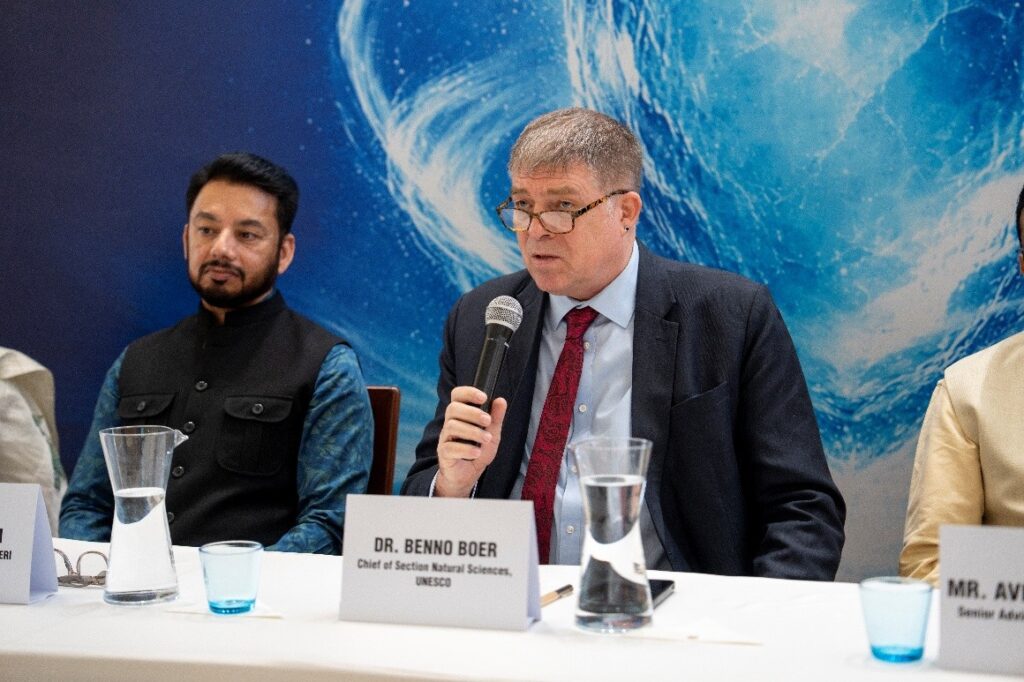
Dr. Benno Böer, Chief of Section Natural Sciences, UNESCO New Delhi, who drew extensively from his experience across African countries to illustrate what circular water economies can look like in practice, and spoke to the role of international cooperation in advancing them. He also spoke about building water stewardship among students at schools where rainwater harvesting and similar measures are implemented, making the case that lasting change in water behaviour begins in the classroom.
Mr. Anshuman, Director – Water Resources, TERI, who made the case that realising the potential of circular water economies requires building a value chain and viable market for the byproducts of wastewater treatment. He emphasised that incentives are central to making this work, alongside active promotion of available technologies, and called for pricing mechanisms that bring treated water to a level comparable with fresh water, making reuse an economically rational choice rather than an exceptional one.
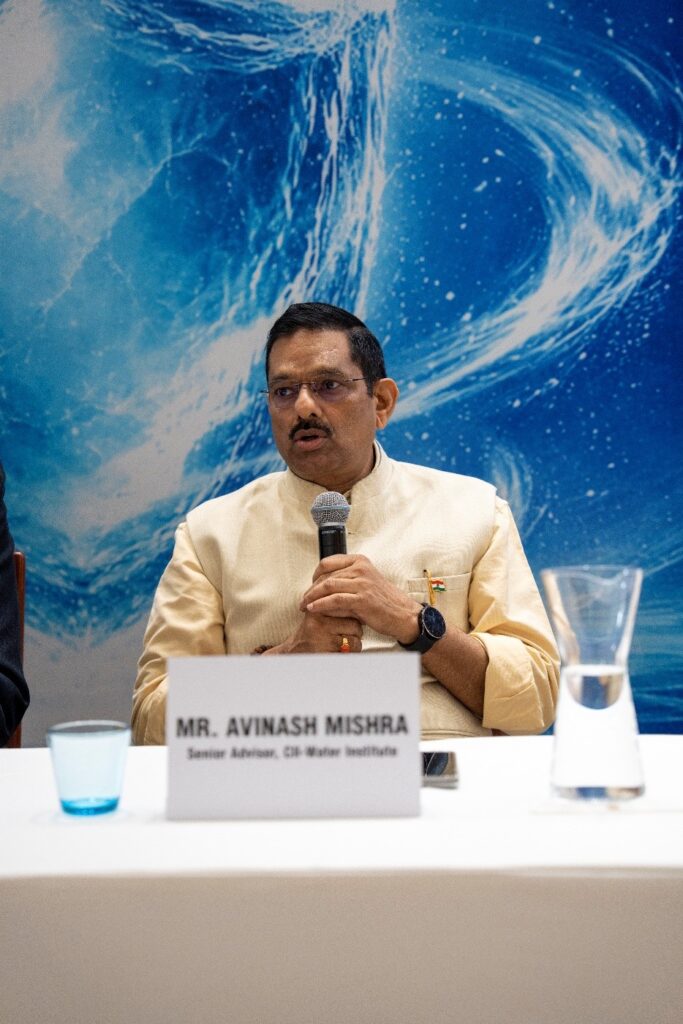
Mr. Avinash Mishra, Senior Advisor, CII Water Institute and Former Advisor, NITI Aayog, who brought a national planning perspective to bear on a pointed observation that the technology and resources for circular water solutions are largely already available, but the capacity of Urban Local Bodies to manage and operationalise them still needs to be built. He called for purpose-built financial models to support that transition, and made the case for water-balanced, water-neutral systems, recognising water’s indispensable role across industrial, agricultural, and household use alike.
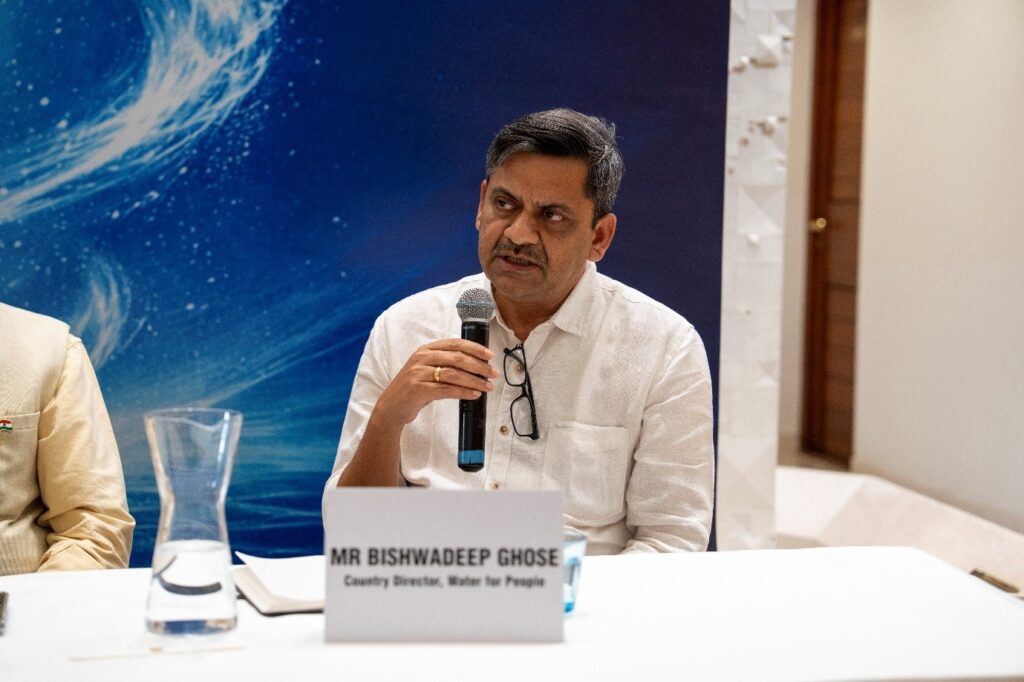
Mr. Bishwadeep Ghose, Country Director, Water For People India, who brought a community-centred perspective, examining the tension between what it takes to make water solutions work at the local and community level, and the very different set of challenges that emerge when attempting to scale those solutions to the state or national level.
Closing
The programme concluded with a Thank You Address by Dr. Antti Herlevi, Counsellor, Trade and Investment, Embassy of Finland, who reaffirmed Finland’s and the Nordic nations’ commitment to long-term partnership with India on water, climate, and sustainable urban development.
The session was followed by a high tea and networking session, enabling delegates to continue conversations on potential collaborations between Nordic solutions providers and Indian cities, utilities, and institutions.
About the Indo Nordic Water Forum (INWF)
The Indo Nordic Water Forum is a platform for structured dialogue and collaboration between India and the Nordic nations on water management, technology exchange, and policy learning. It seeks to facilitate partnerships that can accelerate sustainable and circular water solutions in the Indian context.