



Rajasthan is building a new water sector model through transformative initiatives. The Ramjal Setu Link Project and Yamuna Water Agreement will secure drinking water. The state is investing in major water infrastructure projects across various regions. Flagship schemes are strengthening drinking water infrastructure and rural supply. Water conservation is a shared responsibility for future generations.
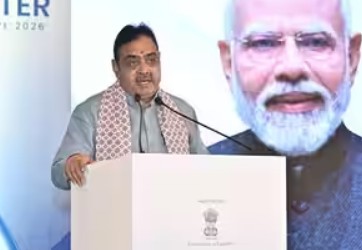
Rajasthan Chief Minister Bhajanlal Sharma said that the state is laying the foundation for a ‘New Rajasthan’ in the water sector through transformative initiatives such as the Ramjal Setu Link Project and the Yamuna Water Agreement. He said that under Prime Minister Narendra Modi’s leadership, Rajasthan is poised to emerge as a national model for water management and water self-reliance.
Addressing the Rajasthan Water Conclave organised by The Economic Times in Jaipur, Sharma said the state government had made water security a top priority from the outset of its tenure. He added that several landmark initiatives have since been launched to ensure long-term drinking water availability, expand irrigation, and conserve groundwater.
Highlighting the Centre’s initiatives, the Chief Minister said programmes, such as Catch the Rain, Namami Gange, Jal Jeevan Mission, Atal Bhujal Yojana, Amrit Sarovar, Har Khet Ko Pani and Per Drop More Crop, have given a new direction to water security in the country.
Calling water conservation, a shared responsibility, Sharma urged institutions, experts and citizens to contribute through technological innovation, scientific planning and community participation. He stressed that water conservation must become a people’s movement to secure the future of coming generations.
The Chief Minister said the Ramjal Setu Link Project will ensure drinking water security across 17 districts while providing irrigation to nearly 4.84 lakh hectares. Under the Yamuna Water Agreement, around 1,917 cusecs of water will be brought to Shekhawati through a 295-km pipeline, benefiting nearly 7.5 million people in Sikar, Jhunjhunu and Churu districts.
He also highlighted ongoing investments in major water infrastructure projects, including the Rs. 1,691 crore Devas III and Devas IV projects for Udaipur’s drinking water needs, strengthening of the IGNP canal system in western Rajasthan, plans to bring Narmada water to Raniwara and Bhinmal, and the Parwan Multipurpose Irrigation Project, on which the state has already spent Rs. 1,164 crore.
Sharma said public participation remains central to the government’s water conservation strategy through initiatives such as Karmabhoomi Se Matrubhoomi Abhiyan and the Vande Ganga Jal Sanrakshan Jan Abhiyan, which focus on water harvesting structures, rejuvenation of water bodies, plantation drives and awareness campaigns.
Sharing progress on flagship schemes, the Chief Minister said approvals worth Rs. 5,100 crore have been issued under AMRUT 2.0 to strengthen drinking water infrastructure in 178 urban local bodies, with work orders already issued for 109 ULBs. Under the Jal Jeevan Mission, more than 15 lakh rural families are receiving piped drinking water, while Rs. 485 crore worth of conservation works have been completed under the Atal Bhujal Yojana.
Sharma also said Rajasthan is now supplying electricity to other states while expanding daytime power supply to farmers, adding that the government aims to provide daytime electricity to farmers across all districts by 2027.
Referring to the state’s investment drive, he said Rs. 9 lakh crore worth of projects have already been grounded out of the Rs. 35 lakh crore investment proposals signed during the Rising Rajasthan initiative.
Water Resources Minister Suresh Singh Rawat said that water is not merely a natural resource but the foundation of Rajasthan’s civilisation, prosperity and future, adding that water conservation requires collective participation from every citizen.
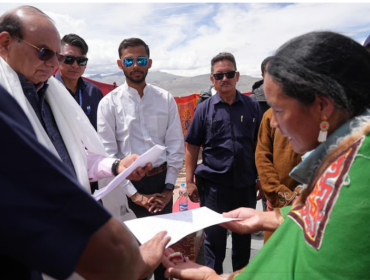
During the conclave, Sharma interacted with organisations and experts working in the field of water conservation and discussed their experiences, innovations and suggestions. He said water conservation is important for both present and future generations and called for the use of technology-based monitoring, scientific approaches and innovative solutions to address local water challenges.
Chief Secretary V. Srinivas, Abhay Kumar, Additional Chief Secretary, Water Resources, Hemant Kumar Gera, Principal Secretary , Public Health and Engineering and Ground Water Department, and several water conservation experts were present at the conclave.
Source: https://tinyurl.com/2mu65amh