



Projects eligible for funding include digital governance, traffic decongestion, urban flood mitigation, riverfront development and relocation of dairy activities from urban areas.
The Maharashtra government has launched the ambitious Urban Challenge Fund, a Rs. 44,800-crore initiative aimed at transforming urban infrastructure across all 423 Urban Local Bodies (ULBs) in the state. The Government Resolution (GR) for the scheme was issued by the urban development department, coinciding with chief minister Devendra Fadnavis’ birthday.
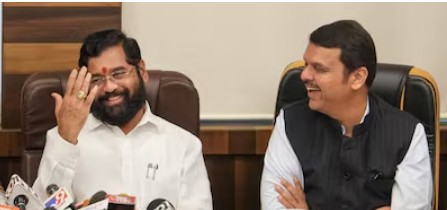
Announcing the initiative, deputy chief minister and urban development minister Eknath Shinde said the programme would help cities become more modern, economically self-reliant and better equipped to meet future urban challenges. The fund will be implemented between 2025-26 and 2030-31, with a provision to extend the scheme by another three years if required.
A key feature of the initiative is its blended financing model, under which projects will be funded through a combination of central assistance, market borrowings and state support. Eligible projects can receive up to 25 per cent funding from the Union government, while at least 50 per cent of the project cost must be raised through municipal bonds, bank loans or Public-Private Partnership (PPP) models. The remaining 25 per cent will be contributed by the state government or the urban local body concerned.
The scheme is open to all urban local bodies across Maharashtra. To ensure that smaller towns also benefit, the government has introduced a loan repayment guarantee mechanism for cities with a population below one lakh. This is expected to make it easier for smaller municipalities to access funds from financial markets and undertake large infrastructure projects.
The fund will focus on three broad areas: water supply and sanitation, creative urban redevelopment, and strengthening cities as engines of economic growth.
Projects eligible for funding include digital governance, major infrastructure upgrades, traffic decongestion, last-mile connectivity, redevelopment of old city areas and markets, non-motorised transport, transit hubs, Transit-Oriented Development (TOD), urban flood mitigation, integrated waste management, greenfield and semi-greenfield development, roads, flyovers, riverfront development, land bank creation and relocation of dairy activities from urban areas.
For cities with a population exceeding 20 lakh, the government will also prioritise projects such as convention centres, recreational facilities, modern public libraries, sports infrastructure, water sports facilities, meditation centres and wellness parks.
To ensure efficient execution, the government will appoint Project Development and Management Consultants (PDMCs), establish Project Management Units (PMUs), district-level monitoring committees and dedicated mission management cells in every city. Projects may also be implemented through Special Purpose Vehicles (SPVs) wherever necessary.
Calling the initiative a “transformational roadmap” rather than just a funding scheme, Shinde said the fund would improve civic infrastructure, strengthen urban services, attract investment, generate employment and enhance the quality of life for citizens. He added that the government’s long-term objective is to build cities that are competitive, sustainable and financially self-reliant.
Source: https://tinyurl.com/42pu3ekk